Variegated Hydrangeas: The Eyecatching Plants That Will Add A Pop Of Color To Your Garden
Variegated hydrangeas are a beautiful and unique addition to any garden. These plants have leaves that are partially white or cream-colored, which creates a striking contrast with the green foliage of other plants. Variegated hydrangeas can add a pop of color to your garden, and they are also relatively low-maintenance.
In this blog post, we will discuss everything you need to know about variegated hydrangeas, including their care requirements, different varieties, and how to use them in your garden.
What are variegated hydrangeas?
Variegated hydrangeas are a type of hydrangea that has leaves that are partially white or cream-colored. This coloration is caused by a genetic mutation that inhibits the production of chlorophyll in certain areas of the leaf. As a result, the leaves of variegated hydrangeas have a distinctive mottled appearance.
Variegated hydrangeas are available in a variety of colors, including white, cream, yellow, and green. The color of the leaves can vary depending on the variety of hydrangea, the amount of sunlight the plant receives, and the soil pH.
Variegated hydrangea care
Variegated hydrangeas are relatively low-maintenance plants. They prefer full sun to partial shade and well-drained soil. Variegated hydrangeas should be watered regularly, especially during hot, dry weather. They may also need to be fertilized in the spring and summer.
Variegated hydrangeas are susceptible to a few diseases, including leaf spot and powdery mildew. These diseases can be prevented by watering the plant at the base and avoiding overhead watering. If a plant does develop a disease, it can be treated with a fungicide.
Variegated hydrangea varieties
There are many different varieties of variegated hydrangeas available. Some of the most popular varieties include:
- Annabelle: This variety is known for its large, white flowers. It is a hardy plant that can tolerate a wide range of conditions.
- Limelight: This variety has lime green leaves and pink flowers. It is a relatively new variety that is becoming increasingly popular.

- PeeGee: This variety has deep green leaves and blue flowers. It is a deciduous plant that loses its leaves in the winter.

- Incrediball: This variety has large, double flowers that can be white, pink, or blue. It is a relatively new variety that is known for its hardiness and disease resistance.

- Endless Summer: This variety is known for its long bloom period. It can bloom from early summer to late fall.


How to use variegated hydrangeas in your garden
Variegated hydrangeas can be used in a variety of ways in your garden. They can be planted as standalone specimens, used as hedges, or incorporated into mixed borders. Variegated hydrangeas can also be used in containers.
When choosing a location for variegated hydrangeas, it is important to consider their sunlight and soil requirements. Variegated hydrangeas prefer full sun to partial shade and well-drained soil.
Variegated hydrangeas can be propagated by taking cuttings or by dividing the root ball. Cuttings should be taken in the spring or summer, and the root ball should be divided in the fall.
Conclusion
Variegated hydrangeas are beautiful and unique plants that can add a pop of color to your garden. They are relatively low-maintenance and can be used in a variety of ways. If you are looking for a stunning plant for your garden, variegated hydrangeas are a great option.
Variegated hydrangeas are a beautiful and unique addition to any garden. With their striking leaves that are splashed with white, cream, or gold, they add a touch of elegance and interest to any landscape. If you're thinking about adding a variegated hydrangea to your garden, I encourage you to visit . This website has a wealth of information about variegated hydrangeas, including:
- Different varieties of variegated hydrangeas
- How to grow and care for variegated hydrangeas
- Where to buy variegated hydrangeas
The website also has a blog with articles about variegated hydrangeas, as well as a forum where you can ask questions and get advice from other gardeners. Whether you're a beginner or an experienced gardener, I'm sure you'll find the information you need on .
FAQ of variegated hydrangea
- What is a variegated hydrangea?
A variegated hydrangea is a type of hydrangea that has leaves with a mix of green and white, cream, or yellow coloration. The variegation is caused by a genetic mutation that results in the production of less chlorophyll in the leaves. This gives the leaves their distinctive appearance.
- How do I grow variegated hydrangeas?
Variegated hydrangeas are relatively easy to grow. They prefer full sun to partial shade and moist, well-drained soil. They are also somewhat tolerant of drought, but they will produce more blooms if they are watered regularly.
- What are the different types of variegated hydrangeas?
There are many different types of variegated hydrangeas. Some of the most popular varieties include:
'Snowflake' hydrangea: This variety has white leaves with a green margin.
'Limelight' hydrangea: This variety has light green leaves with a cream margin.
'Variegata' hydrangea: This variety has green leaves with a creamy yellow margin.
'Gold Edge' hydrangea: This variety has green leaves with a gold margin.
'Praecox Variegata' hydrangea: This variety blooms early in the season and has green leaves with a cream margin.
How do I care for variegated hydrangeas?
Variegated hydrangeas require regular watering, especially during hot, dry weather. They also benefit from being fertilized once a month during the growing season. In the fall, you can prune the hydrangea back to about 6 inches from the ground. This will help to promote new growth in the spring.
- What are some common problems with variegated hydrangeas?
Some of the most common problems with variegated hydrangeas include:
- Leaf scorch: This can occur if the hydrangea is exposed to too much sunlight.
- Leaf spot: This can be caused by a fungal infection.
- Aphids: These small insects can suck the sap from the leaves, causing them to wilt and turn yellow.
- Scale insects: These small, round insects can attach themselves to the leaves and stems of the hydrangea, feeding on the sap.
If you notice any of these problems, you can treat them with the appropriate fungicide or insecticide.
Image of variegated hydrangea
5 different images of variegated hydrangea from Pinterest:
- Variegated Hydrangea Macrophylla
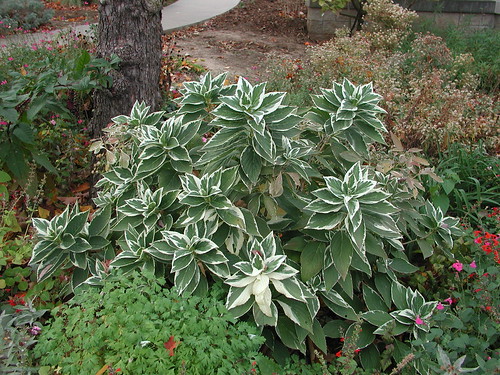 This type of variegated hydrangea has large, showy flowers that can be pink, blue, or purple. The leaves are also variegated, with a white or cream border.
 - Variegated Annabelle Hydrangea
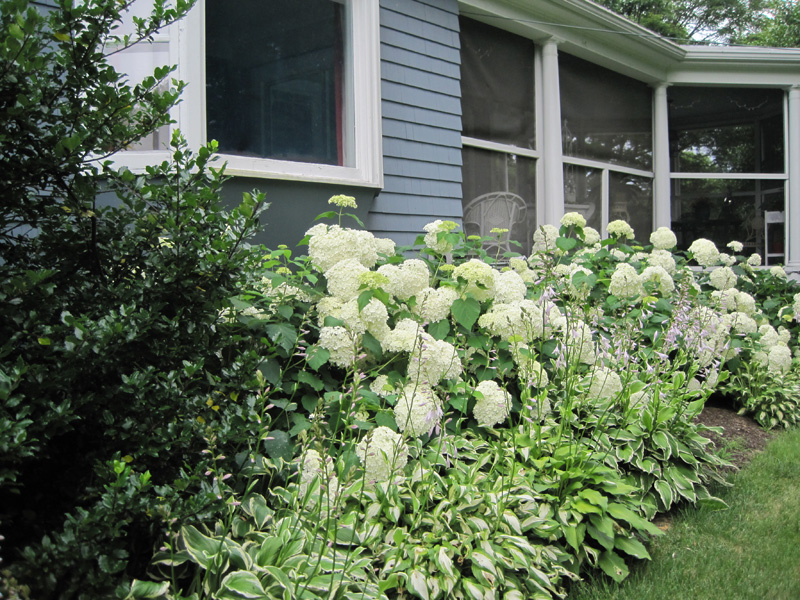 This type of variegated hydrangea is known for its large, round flower heads that can grow up to 12 inches in diameter. The leaves are also variegated, with a white or cream border.
 - Variegated Limelight Hydrangea
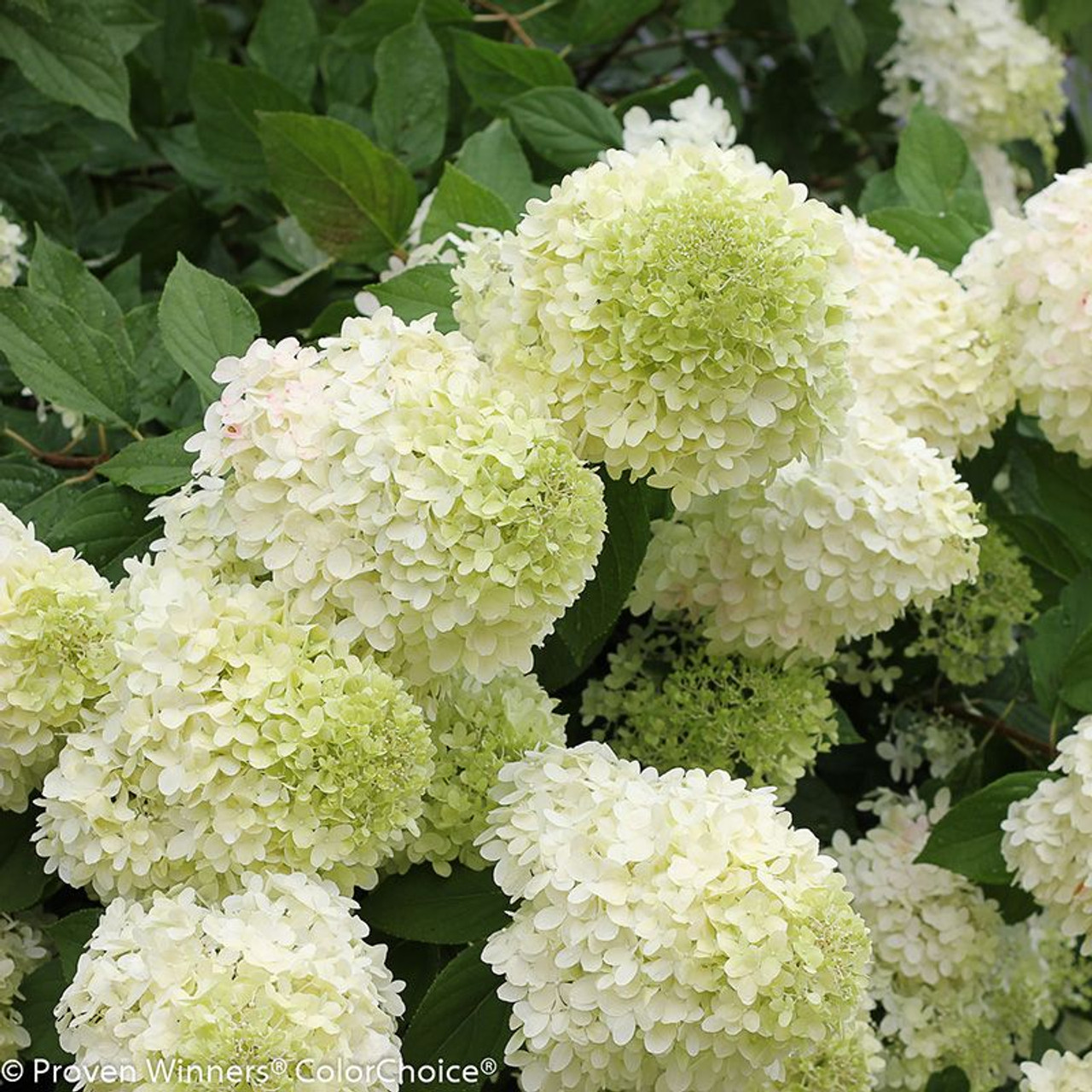 This type of variegated hydrangea is known for its bright lime green leaves that turn pink or red in the fall. The flowers are white or pale pink.
 - Variegated Endless Summer Hydrangea
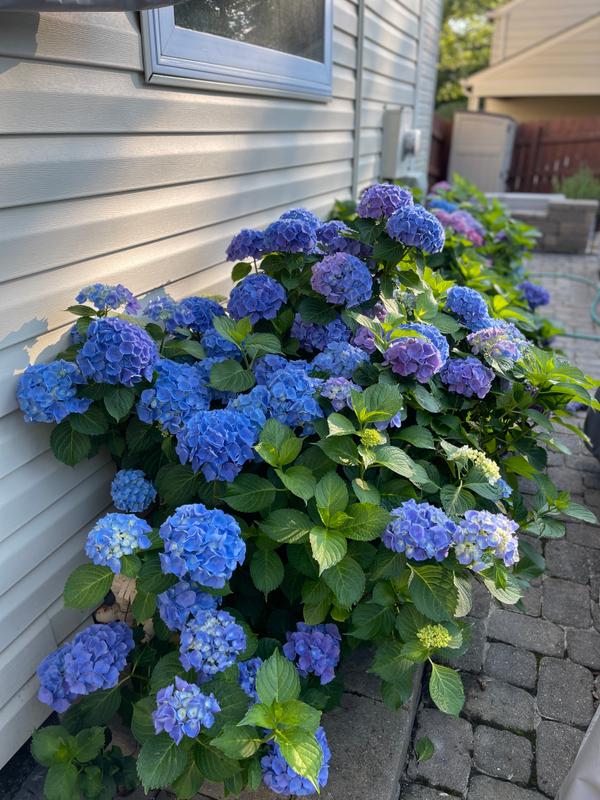 This type of variegated hydrangea is known for its long blooming period, which can last from spring to fall. The flowers can be pink, blue, or purple.
 - Variegated Oakleaf Hydrangea
This type of variegated hydrangea has large, oak-shaped leaves that are variegated with white or cream. The flowers are white or pale pink.

Post a Comment for "Variegated Hydrangeas: The Eyecatching Plants That Will Add A Pop Of Color To Your Garden"